For Residents
As a resident of Golden Valley, there are a few city-specific links that will help you find necessary permits and regulations for the city.
- Composting and Organics Recycling
- No-Mow May for Golden Valley
- Native Landscaping and Rain Gardens
- Keeping Chickens
For Everyone
As people who live, work or play in Golden Valley, we all have a part in the ecological health of our region. The decisions we make for our gardens will show up in the health of our rivers, the quality of our air and the biodiversity of plants and animals.
Our Soil
“Soil health is defined as the continued capacity of soil to function as a vital living ecosystem that sustains plants, animals, and humans. Healthy soil gives us clean air and water, bountiful crops and forests, productive grazing lands, diverse wildlife, and beautiful landscapes.”
– USDA Natural Resources Conservation Service (NRCS)
Soil health is something that all gardeners can participate in! If you have the benefit of land to plant, you are a part of this ecosystem. There are a variety of ways to approach supporting the soil, but a few quick and easy things you can do include:

Minimize Chemical Use
“Pesticides kill pests, but they also can kill beneficial soil microbes and insects. Before reaching for a chemical… Always consider alternatives to pesticides first, and low-impact pesticides like horticultural oils, insecticidal soap, spinosad, and Bt (Bacillus thurgiensis). …Choose disease-resistant plant varieties and plants that will grow well on your site.”
– Anne Sawyer and Julie Weisenhorn (UMN)
Leave the Leaves
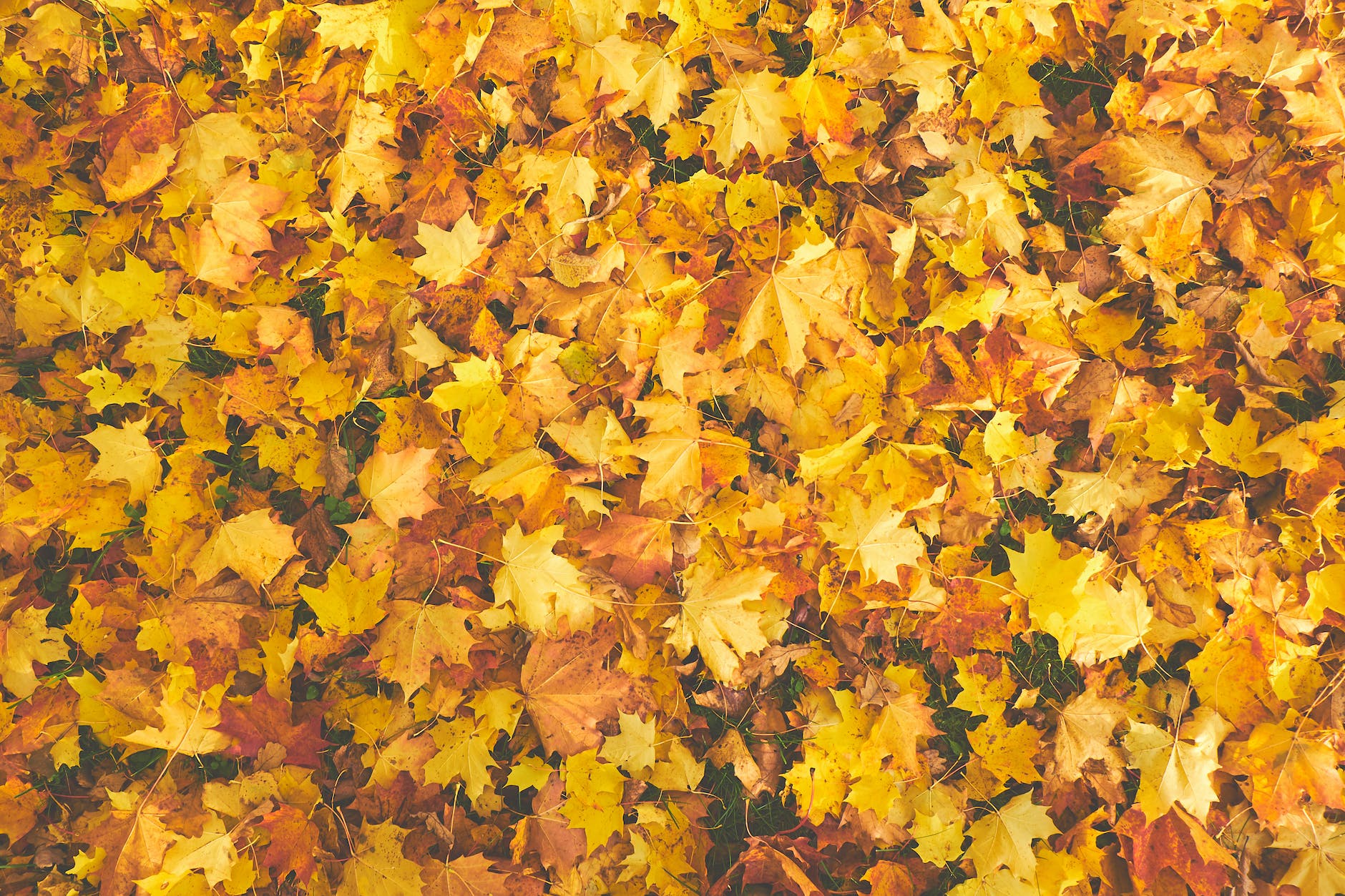
“Leaves create a natural mulch that helps to suppress weeds while fertilizing the soil as it breaks down. The leaves also serve as a habitat for wildlife including lizards, birds, turtles, frogs, and insects that overwinter in the fallen leaves. These living creatures help keep pests down and increase pollination in your garden, so having a habitat for them in the fallen leaves can help to keep them around when you need them the most.”
– USDA Natural Resources Conservation Service (NRCS)
Feed Your Soil With Organics
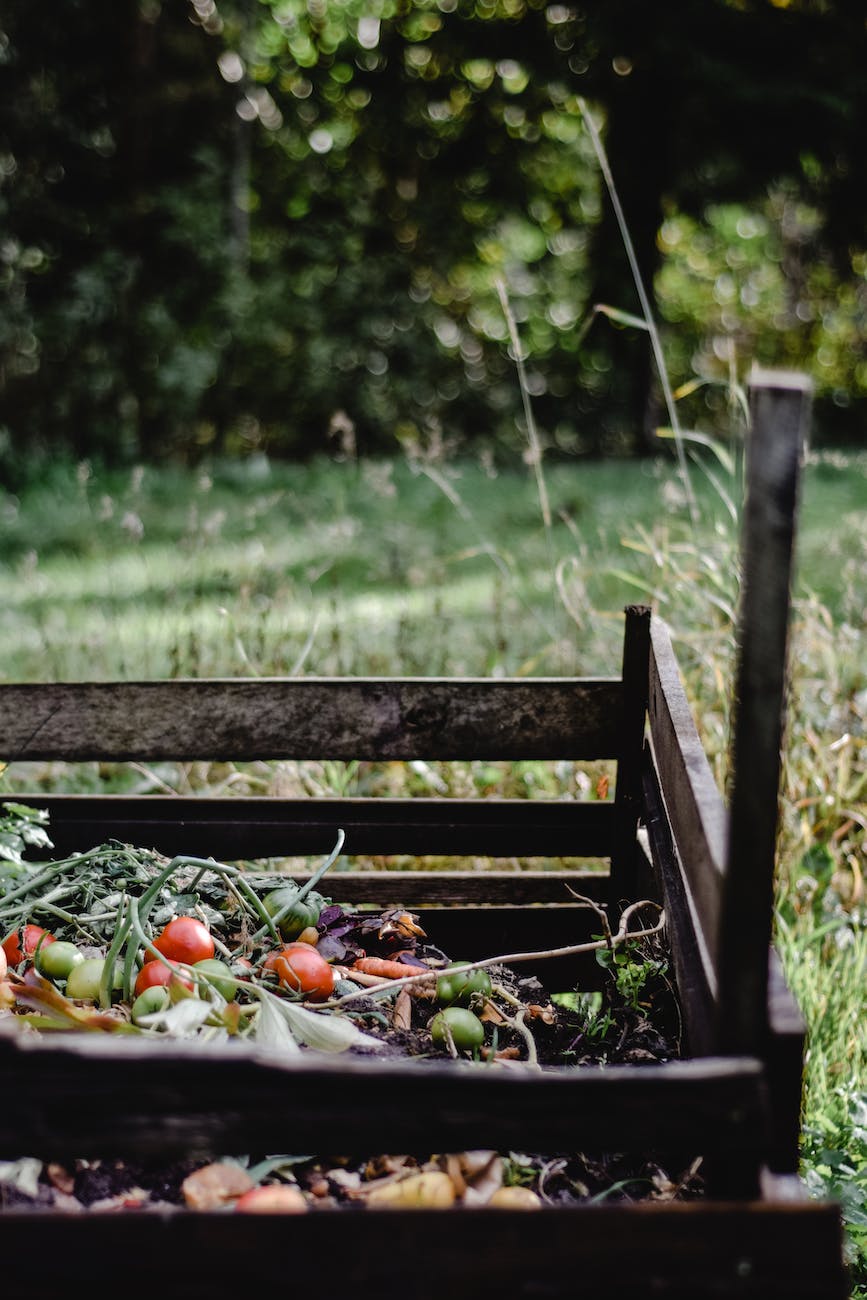
“Composting is a process that allows naturally occurring microbes to convert yard waste, such as leaves and grass clippings, to a useful organic soil amendment or mulch.
Gardeners have used compost for centuries to improve their soil and help plant growth. Incorporating compost into light, sandy soil helps it hold both moisture and nutrients while adding it to heavy soil improves drainage.”
– Carl Rosen, and Deborah Brown, Robert Mugaas and Thomas Halbach (UMN)
Our Water
“A watershed is an area of land that drains rainfall and snowmelt into streams and rivers. …Watershed management is a term that describes the use of land, forest, and water resources in ways that do not harm the plants and animals living there.“
– National Geographic
Golden Valley hosts a number of important waterways and is part of the Ȟaȟa Wakpadaŋ (Bassett Creek) watershed. The choices we make on land impact the health of our water: here are a few ways you can actively support our waterways.

Skip the Salt
“Water pollution from salt (or chlorides) is widespread in the Twin Cities and the vast majority comes from deicers used in winter maintenance. As little as a single teaspoon of salt pollutes five gallons of water, the equivalent of a 50-pound bag of salt polluting 10,000 gallons of water. … A University of Minnesota study found that about 78% of salt applied in the Twin Cities for winter maintenance (more than 284,000 tons) ends up either in groundwater or local lakes and wetlands.”
– Minnesota Pollution Control Agency
Consider a Rain Garden to help manage your Stormwater runoff
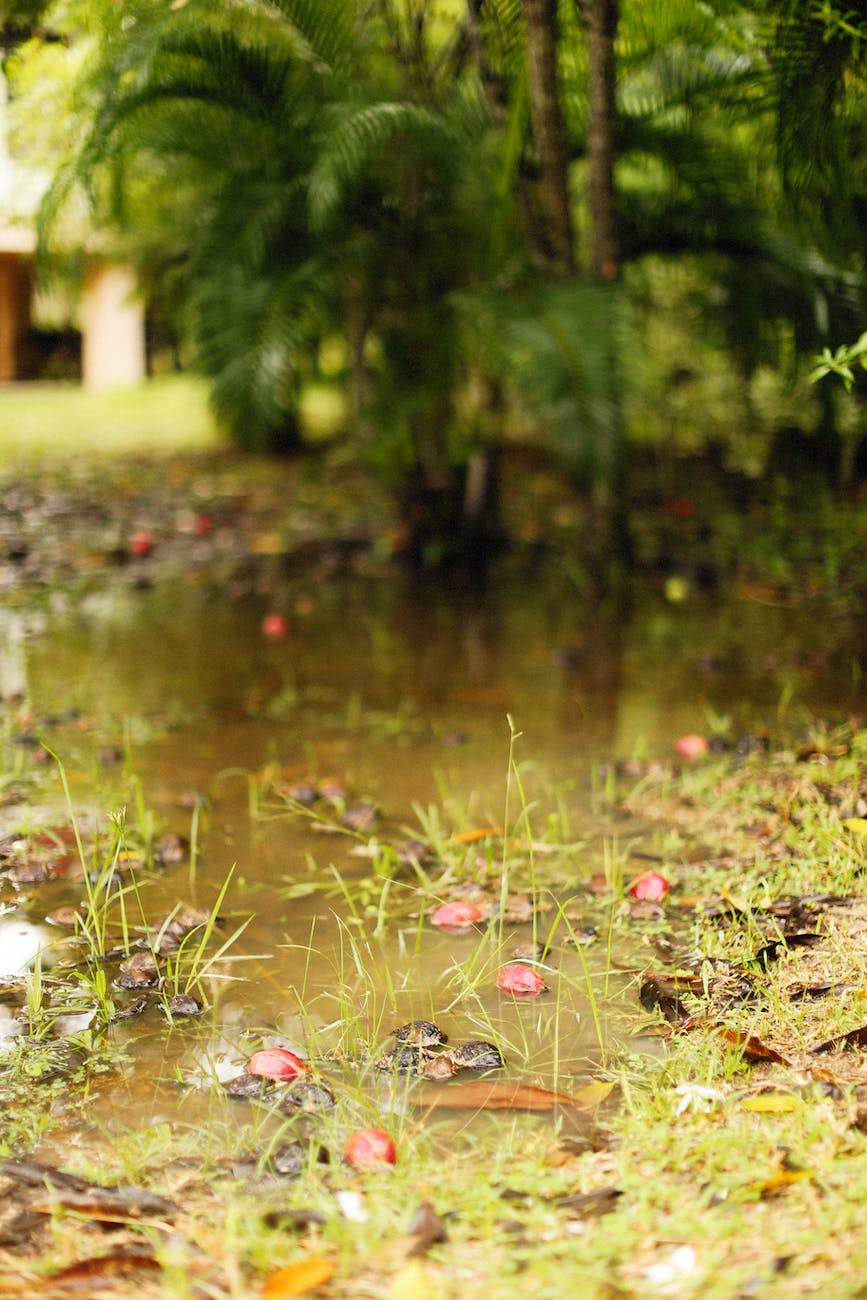
“Managing stormwater runoff is important. Rooftops, roads, driveways and sidewalks are hard surfaces that prevent rainwater and melting snow from reaching the soil and soaking into the ground. These hard surfaces also collect nutrient-rich yard and pet waste, oil and radiator fluid from autos, and other debris and pollutants…. rain gardens remove pollutants from water before it enters surface waters and prevents erosion by holding soil in place with its deep roots.”
– U of M Extension
 Golden Valley Garden Club